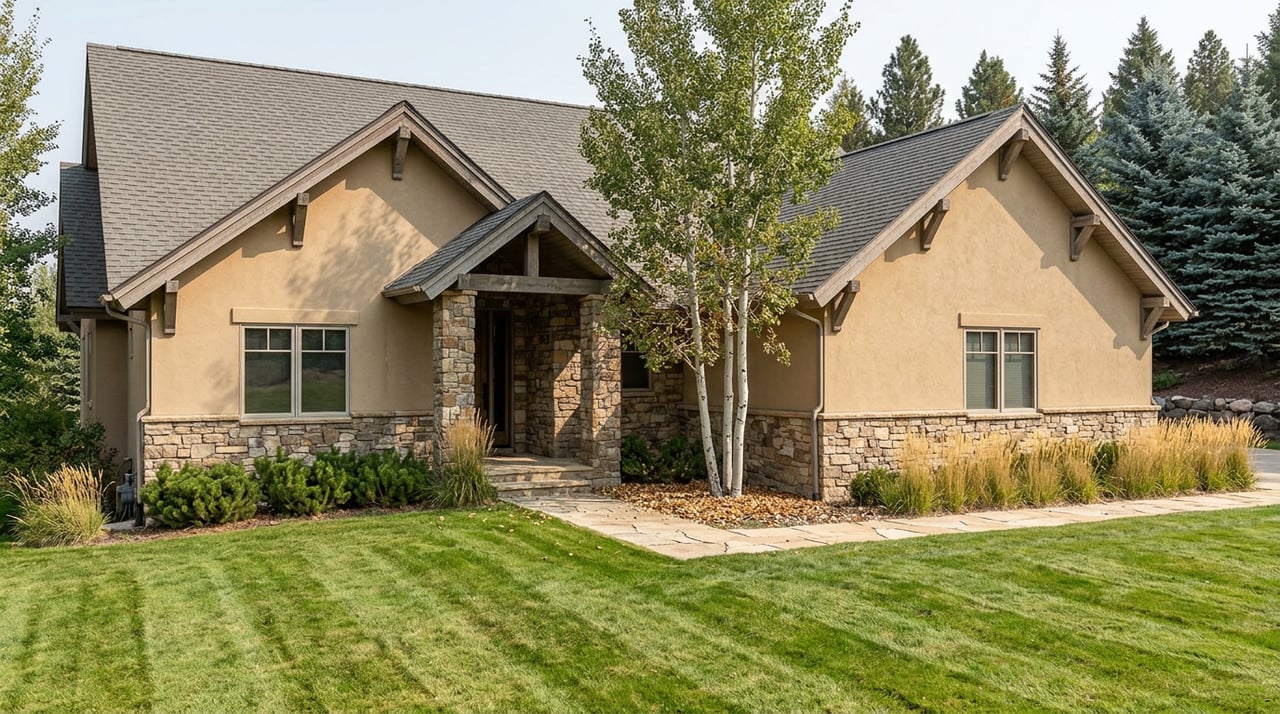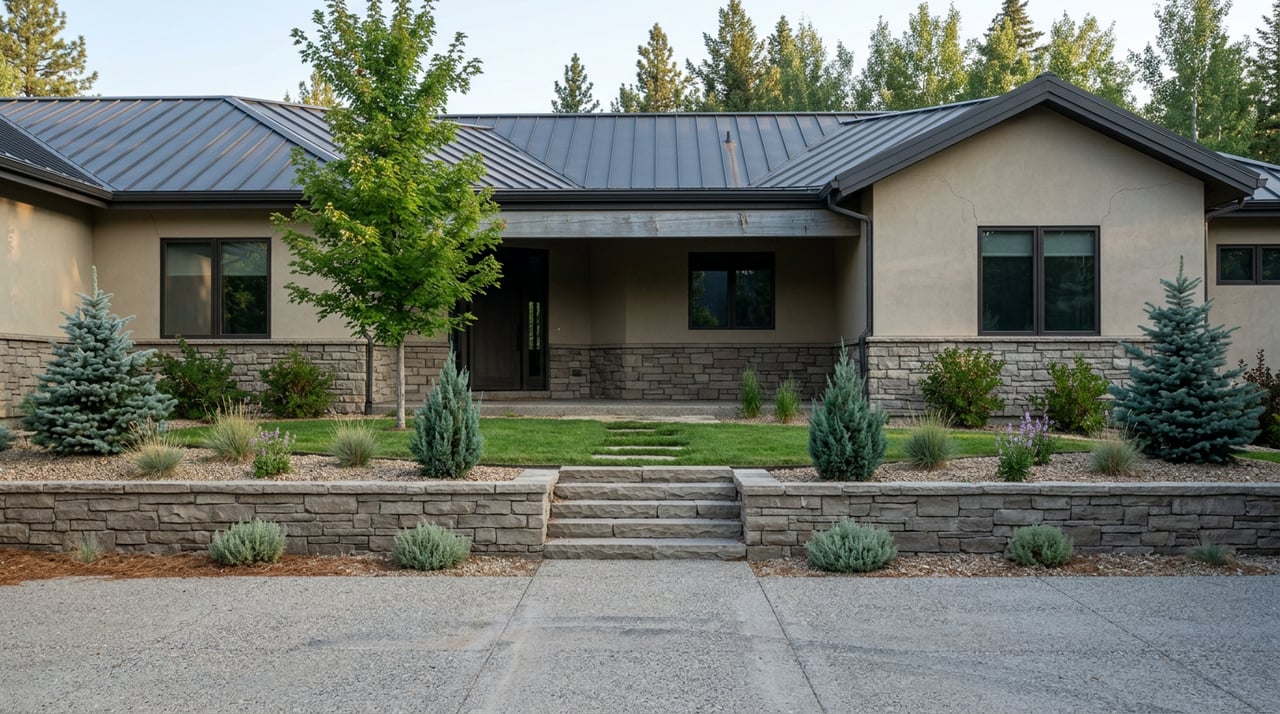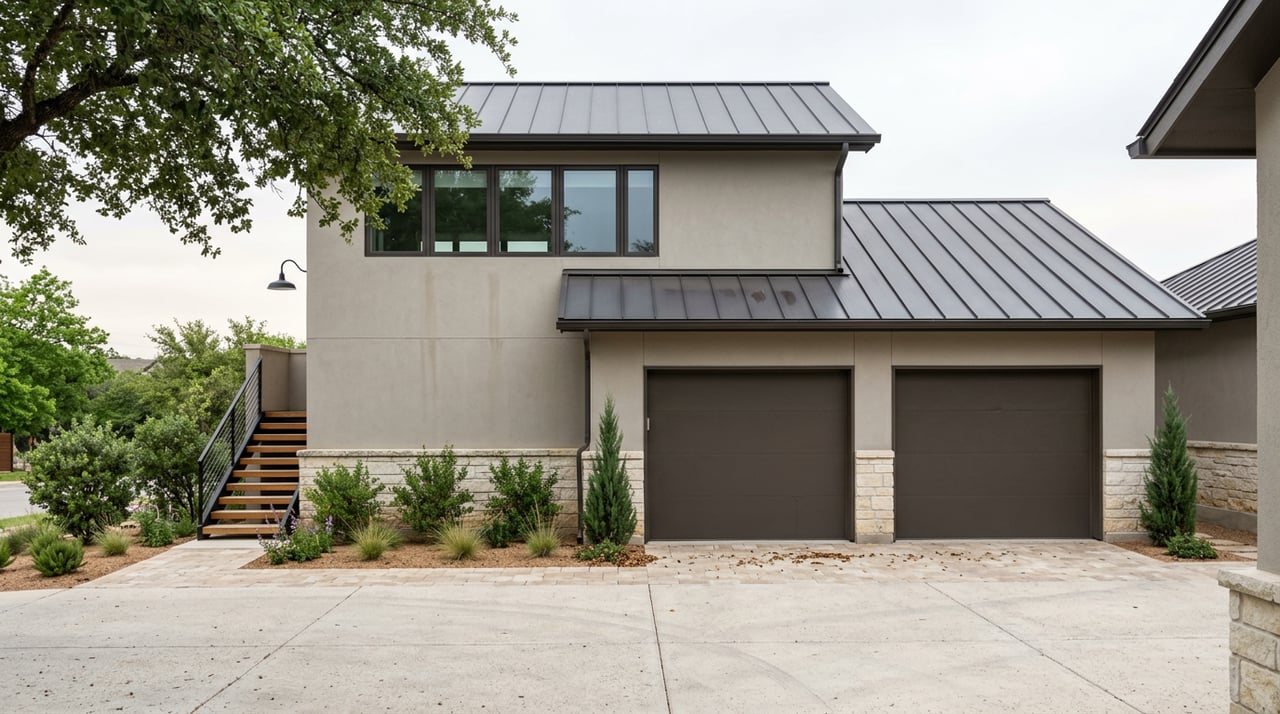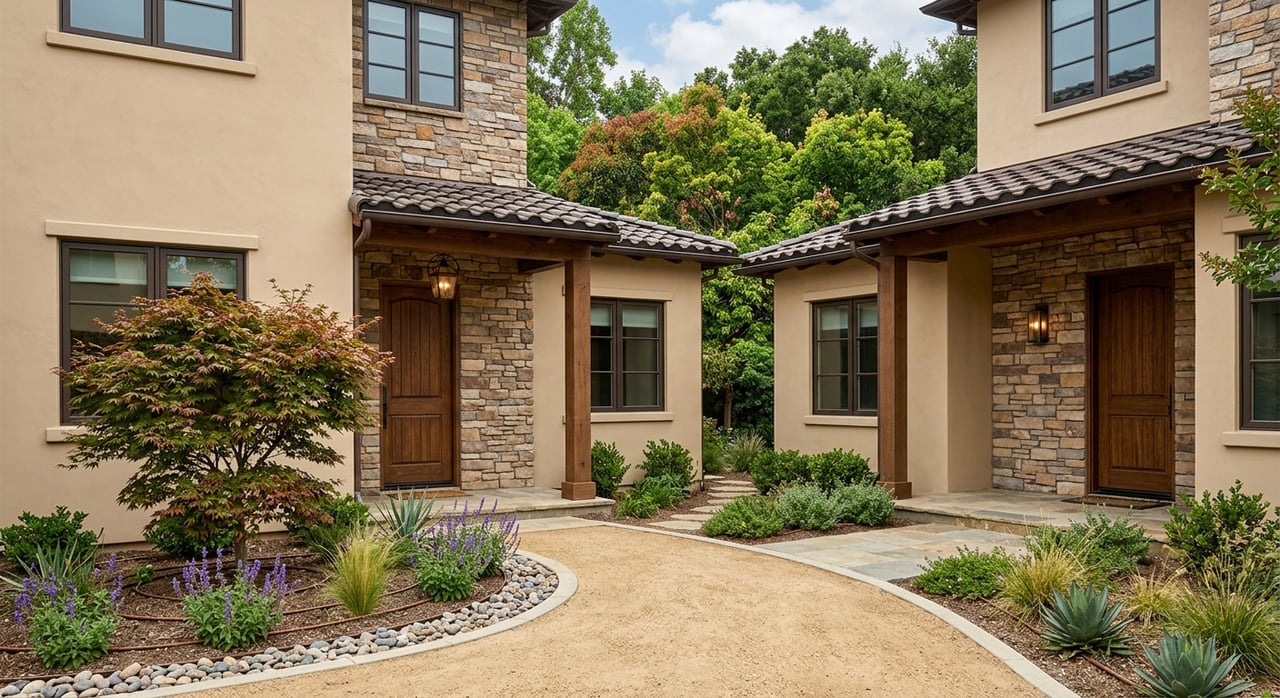
Are you ready to spend less time on yard work, exterior upkeep, and home maintenance without leaving Holladay? If you are downsizing, relocating, or simply craving an easier routine, you are not alone. Holladay offers several practical paths to lower-maintenance living, and understanding how each one works can help you choose with confidence. Let’s dive in.
Low-Maintenance Living in Holladay
Holladay is still largely a single-family home market, but low-maintenance options are very much part of the local housing mix. According to the city’s housing chapter, about 67.7% of homes are single-family, 13.3% are townhomes, and 18.7% are multifamily, with 78% owner occupancy.
That matters because it shows you do have choices, even in a city known for established neighborhoods and traditional residential character. Holladay’s planning documents also point more housing growth toward mixed-use and higher-density areas such as Holladay Hills, Holladay Village, and Holladay Crossroads.
Best Home Types to Consider
If your goal is simpler ownership, the best fit often comes down to how much maintenance you want to handle yourself. In Holladay, the strongest low-maintenance choices usually fall into three categories.
Townhomes and condos
Townhomes and condos are often the clearest low-maintenance option. Under Utah guidance, associations typically maintain common areas, while owners remain responsible for their unit or private space.
That setup can reduce the amount of exterior work you manage directly. Shared components may include items like roofs, roads, pools, lobbies, pickleball courts, and other infrastructure, with costs funded through monthly assessments.
Small-lot detached homes
If you want more privacy than a condo but less upkeep than a larger traditional home, a small-lot detached property may be the sweet spot. Holladay’s general plan specifically supports small-lot single-family development in medium-density residential areas.
This type of home can offer a simpler lifestyle without giving up the feel of a detached residence. You may still have some exterior responsibilities, but the yard and overall maintenance demands are often lighter than on a larger lot.
Two-family attached homes
Two-family attached homes can provide another middle-ground option. Holladay’s planning framework recognizes this kind of development in medium-density areas, making it relevant for buyers who want a balance of independence and efficiency.
For some buyers, this format offers enough separation to feel private while still limiting the amount of land and exterior upkeep tied to ownership. It is a practical option worth watching in redevelopment-oriented parts of the city.
Mixed-use area homes
Homes in mixed-use and redevelopment districts can be especially appealing if you want convenience built into your day-to-day life. Holladay encourages more housing density in places like Holladay Hills, Holladay Village, and Holladay Crossroads, along with transit and commercial corridors.
For you, that can mean easier errands, less driving, and a more lock-and-leave lifestyle. While the home itself may be lower maintenance, the location can also reduce the time and effort your daily routine requires.
Who Benefits Most
Low-maintenance living is not one-size-fits-all. In Holladay, these homes often appeal to buyers in a few specific life stages.
Downsizers and older adults
Holladay’s housing chapter notes that 23% of residents are over 60 and that the city may need more supportive housing options as the population ages. That makes lower-maintenance homes especially relevant for people who want to simplify without leaving the area.
If you are thinking about your next chapter, reducing yard work and limiting the number of exterior systems you manage can make day-to-day living easier. For many downsizers, that trade is well worth it.
Busy professionals
If your schedule is already full, a home that asks less of you can be a major quality-of-life upgrade. HOA-supported communities and mixed-use locations often appeal to buyers who want predictable upkeep and easier access to services.
This can be especially helpful if you travel frequently, work long hours, or simply want your weekends back. The right property can support a more flexible routine with fewer maintenance demands.
Buyers who want fewer rules
Not every buyer wants a condo board or a long list of association rules. If that sounds like you, a smaller detached home may be a better fit.
This option can still reduce upkeep compared with a larger lot, while giving you more control over the property. It is often the best compromise between convenience and independence.
HOA vs Independent Ownership
One of the biggest mistakes buyers make is assuming “low-maintenance” means the same thing in every community. In reality, the details vary, and those details matter.
What the HOA maintains
Your first question should be simple: what exactly does the association maintain? Utah guidance distinguishes between common areas, limited common areas, and private property, so you should confirm which parts of the home and site fall into each category.
That distinction can shape your day-to-day experience more than the property label itself. Two townhomes may look similar on paper but come with very different owner responsibilities.
What you still handle
Even in an HOA community, you will usually remain responsible for certain parts of the property. In condos, owners are generally responsible for the unit, while the association handles common areas and facilities.
That means you should not assume exterior maintenance is fully covered unless the governing documents say so. Clarity upfront can prevent frustration later.
Costs to Review Carefully
A lower-maintenance home can reduce physical work, but it does not always reduce total cost. Before you buy, make sure you understand both monthly expenses and future financial risk.
Monthly assessments
Association-managed communities usually fund shared maintenance through assessments. Those dues may support upkeep for common elements and community infrastructure, which can make budgeting more predictable.
Still, predictable does not always mean inexpensive. You will want to compare the dues against the services provided and the amount of maintenance you are truly shifting off your plate.
Reserve funds and special assessments
Utah law requires reserve analyses at least every six years, updates every three years, annual reserve-fund line items, and annual summaries to owners. Reserve funds are meant for repair, replacement, or restoration of long-life common elements, not routine maintenance.
This matters because underfunded reserves can lead to special assessments when major repairs come due. Utah’s condo guidance specifically warns that inadequate reserves may force the association to collect additional funds from owners.
Rules That Can Affect Daily Life
A low-maintenance home should support the way you actually live. That is why it is so important to read the rules before you fall in love with a property.
Rental restrictions
Utah law allows associations to restrict rentals, though the statutes preserve certain exceptions, including military deployment, close-family occupancy, short employer relocations, and some estate-planning arrangements. If future flexibility matters to you, this is a key area to review.
A rental policy may not affect your current plans, but it can matter later. Thinking ahead can help you avoid a poor long-term fit.
Parking and exterior changes
Parking rules and approval requirements for exterior changes can also affect your experience. Utah limits some HOA restrictions on parking an operable vehicle in a driveway and on public streets, but each community may still have its own framework.
That is why reading the documents matters more than relying on assumptions. A community can be low-maintenance and still have meaningful day-to-day rules.
Documents to Request
Before you move forward on any low-maintenance property in Holladay, ask for the documents that show how the community really functions. They can tell you far more than a marketing description ever will.
Here are the most useful items to review:
- CC&Rs or declaration
- Bylaws
- Current budget
- Latest reserve analysis
- Financial statements
- Recent meeting minutes
- Insurance certificate
- Payoff information
Utah law requires associations to make core records available to owners. State law also limits the fee for payoff information needed at closing to $50 unless the governing documents authorize a fee and the association responds within five business days.
A Practical Holladay Search Strategy
In Holladay, the best low-maintenance options are often concentrated in attached homes, small-lot properties, and communities near redevelopment corridors. That means your search should focus less on broad labels and more on how ownership actually works.
As you compare properties, keep this checklist in mind:
- Confirm which surfaces and systems the association maintains
- Review reserve strength and any history of special assessments
- Read rules on rentals, parking, and exterior modifications
- Consider whether the location supports easier errands and less driving
- Match the level of maintenance relief to your actual lifestyle goals
If you are downsizing or helping a family member transition, this kind of clarity becomes even more valuable. The right home is not just the one with less upkeep. It is the one that makes daily life feel simpler, more predictable, and more comfortable.
Whether you are looking for a lock-and-leave condo, a townhome with shared maintenance, or a smaller detached home with fewer obligations, Holladay offers real options. If you want help sorting through the tradeoffs and finding the right fit for your next move, Sue Ann Wilkinson is here to guide you with local insight and personalized support.
FAQs
What types of low-maintenance homes are available in Holladay?
- In Holladay, low-maintenance options most often include condos, townhomes, small-lot detached homes, two-family attached homes, and properties in mixed-use or redevelopment areas.
What does an HOA usually maintain in a Holladay townhome or condo?
- In Utah, associations generally maintain common areas, while owners are responsible for their unit or private lot area, so you should verify the exact split for each community.
Are low-maintenance homes in Holladay always less expensive to own?
- Not necessarily. Lower-maintenance living can reduce your hands-on upkeep, but monthly assessments, reserve funding, and possible special assessments still affect total cost.
What should downsizers ask before buying a low-maintenance home in Holladay?
- You should ask what the HOA maintains, review the latest reserve analysis, check the budget and meeting minutes, and read the rules on rentals, parking, and exterior changes.
Where are low-maintenance living options most likely to be found in Holladay?
- Based on Holladay planning documents, these options are more likely to be concentrated in attached, small-lot, or redevelopment-oriented settings such as Holladay Hills, Holladay Village, and Holladay Crossroads.