What if the same three forces explained most of what you’re seeing in Salt Lake City’s housing market right now? If you’re trying to time a sale or start a smart search, it can feel like there are too many variables. The good news is you can focus on a short list of drivers to read the market with confidence. In this guide, you’ll learn what truly moves prices and speed, what to watch in the next few months, and how to adapt as a buyer or seller. Let’s dive in.
The big levers in Salt Lake City
Low inventory shapes pricing
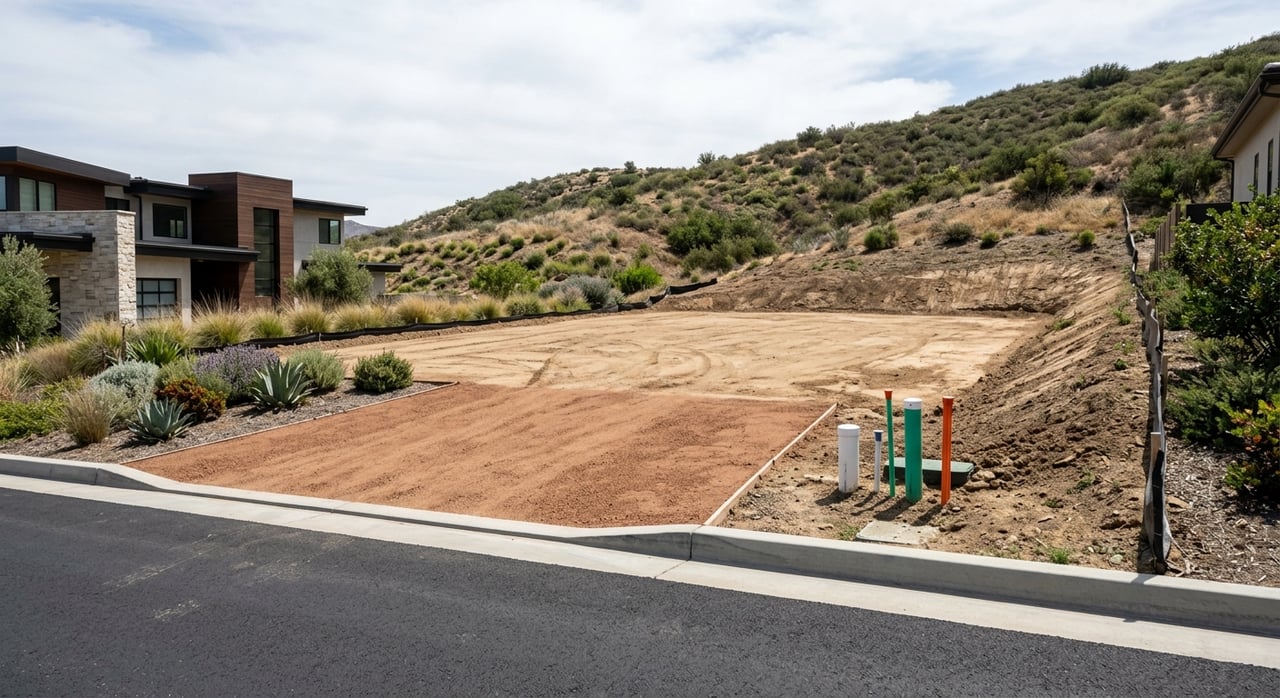
Salt Lake City’s for-sale supply has a direct impact on prices and competition. Geographic limits like the Wasatch mountains, the Great Salt Lake, and protected canyons constrain where new homes can be built, especially near the urban core. That often keeps inventory tight and pushes demand toward the suburbs and infill options.
What to watch:
- Active and new listings from the Salt Lake Board of REALTORS monthly reports
- Months’ supply to gauge leverage: less than 3 favors sellers, 3 to 6 is balanced, more than 6 favors buyers
- Days on market and pending sales to spot shifting demand
Mortgage rates and buying power
Interest rates change what you can afford each month. When rates rise, monthly payments increase for the same purchase price, and some buyers pause. When rates decline, more buyers re-enter and competition can heat up quickly, especially in entry-level and mid-tier price points. Track weekly rate moves to understand your timing.
What to watch:
- The weekly Primary Mortgage Market Survey from Freddie Mac
- Mortgage application trends from the Mortgage Bankers Association
Migration and demographics keep demand steady
Salt Lake City has benefited from recent in-migration tied to job growth and lifestyle appeal. Utah’s younger population and higher household formation rate support steady demand across both rentals and for-sale homes. Inflows from other states can tighten the market quickly when rates improve.
What to watch:
- Local population and migration analysis from the Kem C. Gardner Policy Institute
- U.S. Census population estimates for the metro area
New construction and permits
New homes add much-needed supply, from suburban single-family to infill townhomes and condos. The pace is influenced by permitting timelines, labor and material costs, lot availability, and infrastructure. Central neighborhoods see limited lot supply, so a lot of new product arrives in the suburbs.
What to watch:
- Building permits and completions via the U.S. Census Building Permits Survey
- Local planning updates for major projects and infill approvals
Jobs and the local economy
Job growth and wages support buying power and housing demand. Along the Wasatch Front, tech and professional services, health care, education, and finance have been important drivers. Strong hiring can lift demand near employment hubs and transit corridors.
What to watch:
- Local employment and unemployment updates from the Bureau of Labor Statistics
- Industry briefings from Kem C. Gardner Policy Institute
Policy, transit, and natural limits
Zoning rules, density allowances like ADUs, and approvals for infill development shape how much and what type of housing gets built. Transit investments such as TRAX and FrontRunner corridors, and highway improvements, influence which neighborhoods gain demand. Water and environmental constraints also affect long-run supply.
What to watch:
- Zoning and policy updates from Salt Lake City Planning
- Infrastructure and corridor news from city and county planning departments
What to watch in the next 3–6 months
Keep your focus on a simple dashboard. If you follow these items, you will see turning points early.
- Mortgage rates: Track weekly direction and volatility with Freddie Mac’s PMMS
- Active listings and new listings: See local flow in the Salt Lake Board of REALTORS reports
- Pending sales and days on market: A quick way to see if demand is warming or cooling
- Months’ supply: Rising supply signals more buyer leverage; falling supply signals more seller leverage
- Permits and completions: The Census Building Permits Survey helps you anticipate future inventory
- Statewide trends: Cross-check with the Utah Association of REALTORS
- Mortgage applications: Directional demand signal from the Mortgage Bankers Association
- Local jobs: Watch BLS updates for employment momentum in the metro
What this means for you
If you are buying in Salt Lake City
When rates dip and inventory tightens, you will likely face faster timelines and multiple offers. Pre-approval and a clear budget help you move quickly when the right home appears. If rates rise and inventory grows, you may gain negotiation room on price, closing costs, or repairs.
Quick steps:
- Get fully pre-approved and watch weekly rate movement
- Track new listings and days on market in your target neighborhoods
- Consider a range of property types, including townhomes or condos, to expand options
If you are selling in Salt Lake City
Your pricing strategy should reflect months’ supply and recent days on market in your price tier. In tighter conditions, strong presentation can maximize results. In slower conditions, you may win by pricing to current comps, offering favorable terms, and ensuring your home shows beautifully from day one.
Seller priorities:
- Price to current demand and recent comparable sales
- Elevate presentation with professional marketing and soft staging
- Prepare for appraisal and rate volatility with strong communication
Luxury and south valley notes
In upscale south valley areas like Draper, Sandy, Cottonwood Heights, Holladay, and gated foothill communities such as Pepperwood and Suncrest/Deer Ridge, demand often varies by season and price tier. Higher-priced homes can experience longer days on market, so presentation and targeted marketing matter. Watch micro-level supply, upcoming luxury listings, and buyer activity tied to local hiring in tech and professional services.
Three short-term scenarios to plan for
- Scenario A: Tight supply, steady inflows, moderate rates. Expect firmer prices and quicker sales, especially in well-located, move-in-ready homes.
- Scenario B: Inventory builds while rates remain elevated. Buyers see more choices and leverage. Sellers may adjust pricing and offer incentives.
- Scenario C: Rates drop significantly. Previously priced-out buyers re-enter, which can quickly tighten entry and mid-tier segments and speed up sales.
Neighborhood-level signals to note
- New project announcements or major multifamily approvals that add nearby supply
- Transit or highway updates that shorten common commutes
- Local zoning or ADU policy changes that open new housing options
- A shift in open house traffic or pending sales in your immediate area
Ready for a local game plan?
You do not need to time every macro change to make a confident move. You need a clear, local plan built around inventory, financing, and your timeline. If you want a concierge-level strategy for listing prep, soft staging, and targeted marketing, or you are relocating and need neighborhood guidance, connect with Sue Ann Wilkinson to map your next steps.
Request a Complimentary Market Consultation.
FAQs
What drives home prices in Salt Lake City right now?
- Inventory, mortgage rates, and local jobs are the main short-term levers that shape pricing and speed.
How do mortgage rates affect my buying power?
- Higher rates raise your monthly payment for the same price, while lower rates expand what you can afford and often increase competition.
Is Salt Lake City still seeing in-migration?
- Recent migration and Utah’s younger population support steady housing demand, especially near job centers and transit corridors.
Where can I track reliable local housing data?
- Use the Salt Lake Board of REALTORS for inventory and pricing, Freddie Mac for rates, the Census for permits, and BLS for jobs.
What should luxury sellers in the south valley focus on?
- Presentation and precision pricing. High-quality marketing, soft staging, and targeted outreach are critical for upper-tier homes that may take longer to sell.