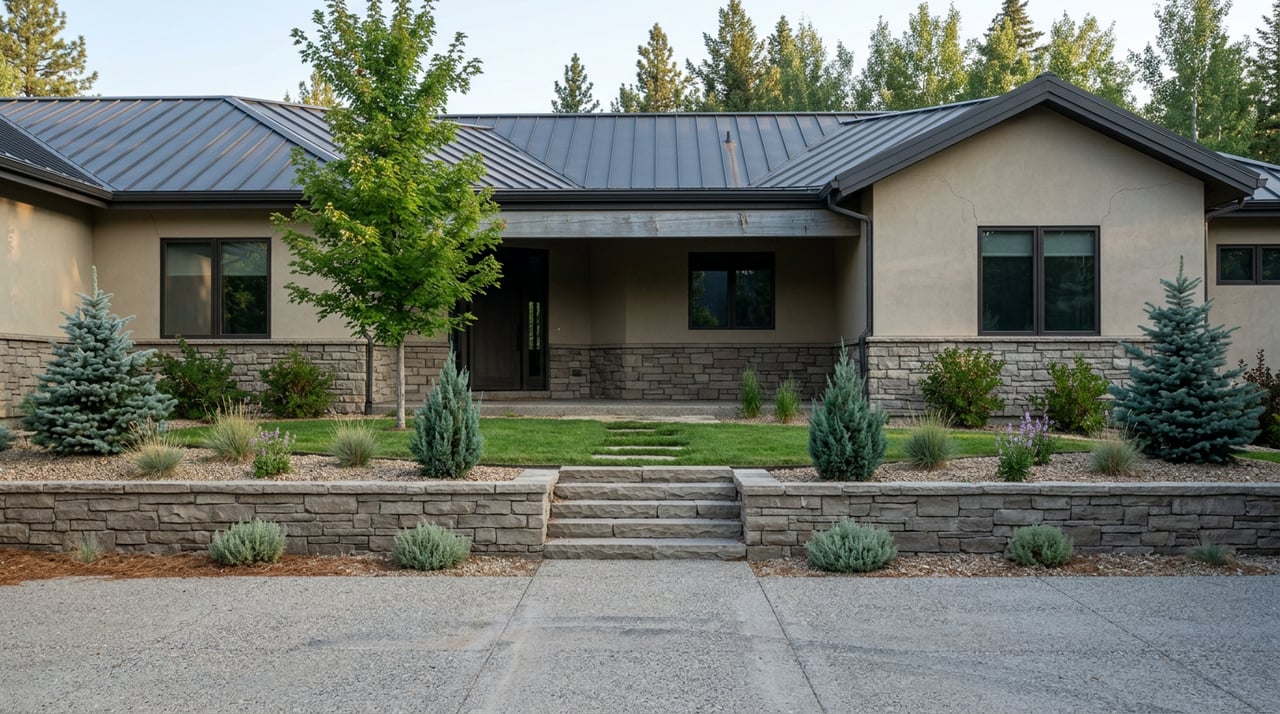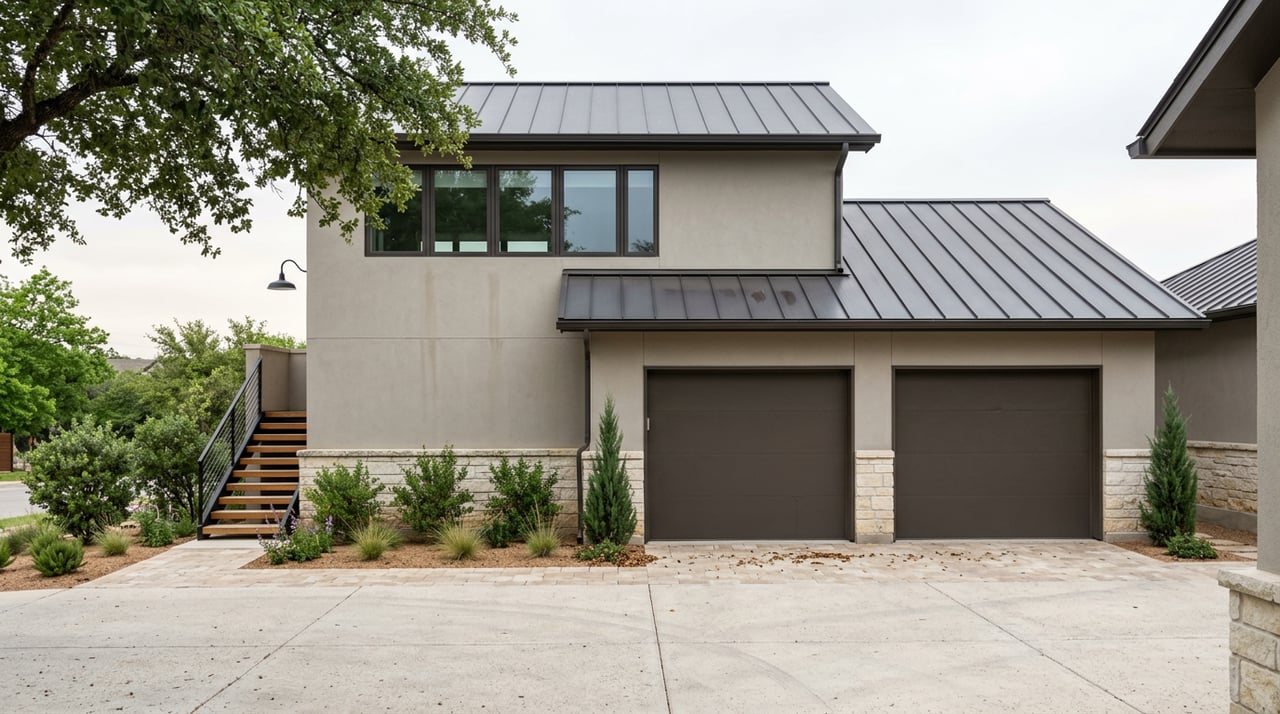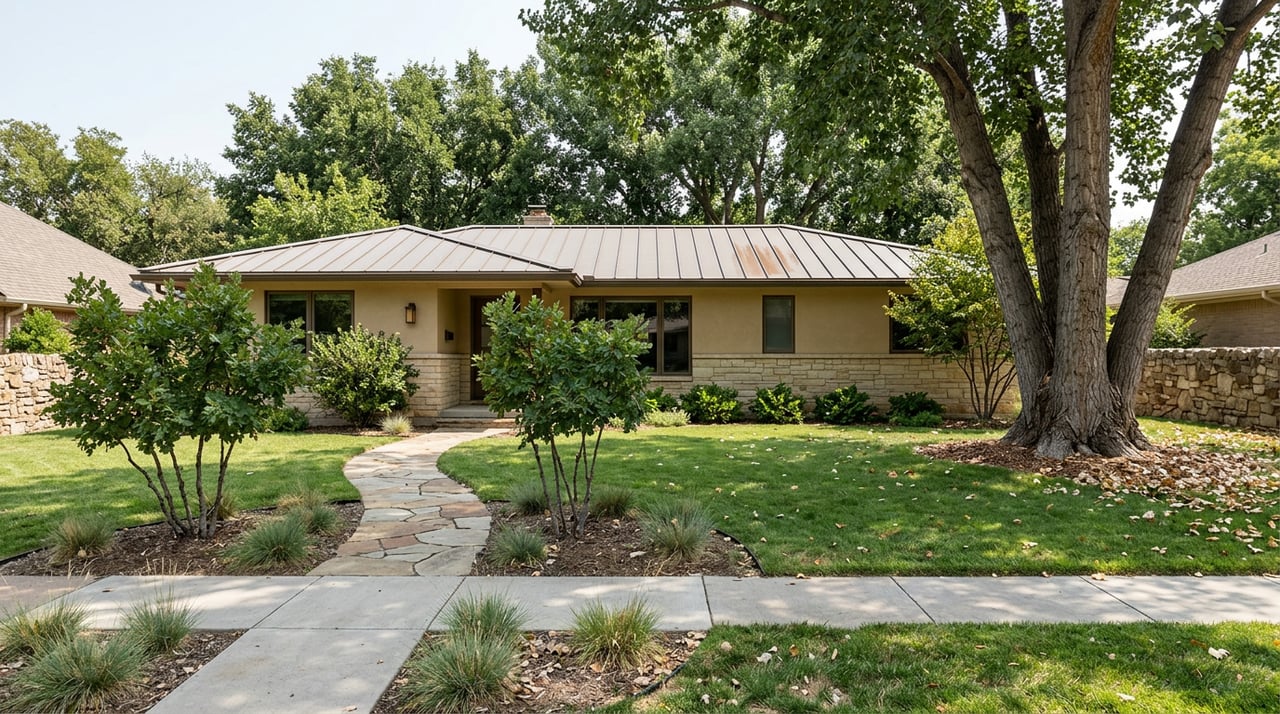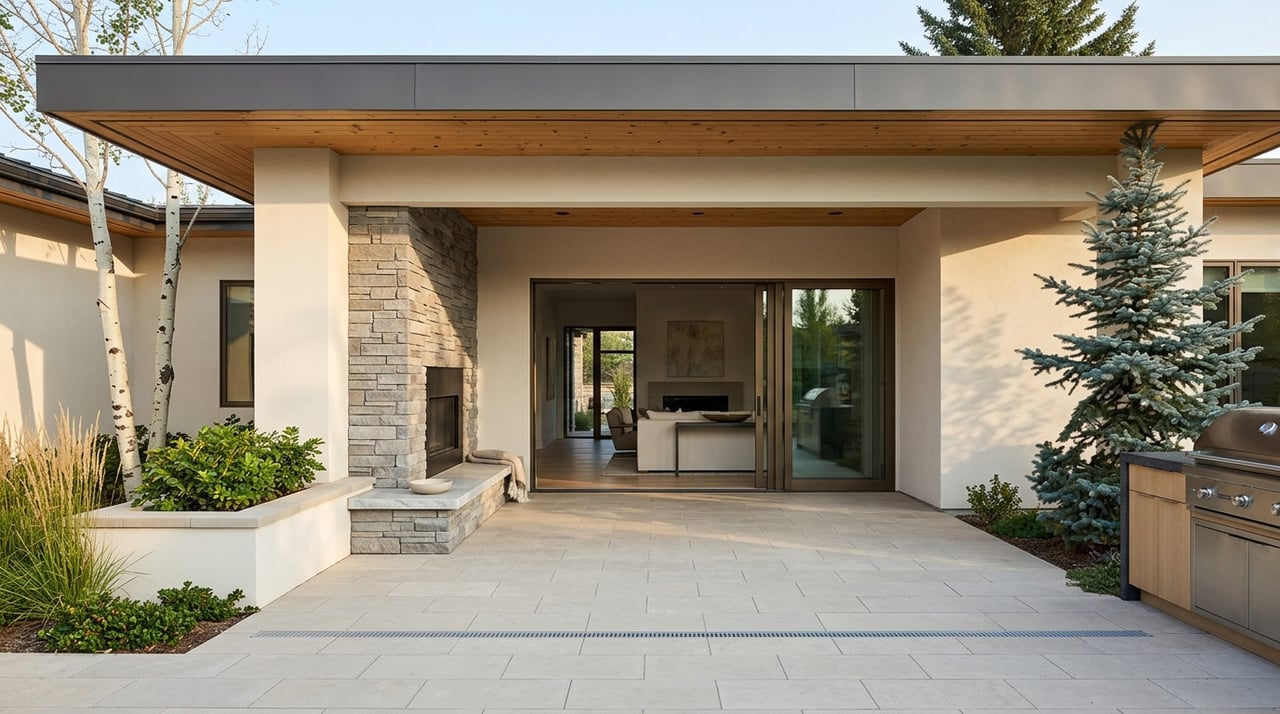
If you are drawn to Alpine for its views, space, and custom-home feel, you will quickly notice that luxury here does not follow just one look. Some homes feel timeless and traditional, others lean mountain-contemporary, and many blend the two in ways that fit the land. Understanding those patterns can help you shop smarter, price more accurately, or plan updates with confidence. Let’s dive in.
Why Alpine luxury feels distinct
Alpine’s luxury housing is shaped by more than buyer taste alone. The city’s General Plan emphasizes a small-town, rural atmosphere, open space, mountain and valley views, and low-density development. That helps explain why many luxury homes in Alpine feel highly site-specific and view-oriented rather than packed into dense estate clusters.
The local zoning pattern also supports that character. Areas transition from smaller-lot zoning near town center to larger-lot zoning toward the edges, and Alpine also uses overlay tools for hillside protection, flood, geologic hazard, wildland-urban interface areas, and the Gateway Historic District. In practice, that creates a luxury market where home design often responds directly to lot shape, slope, and sightlines.
For buyers and sellers, that matters. In Alpine, the home itself is only part of the story. The setting, lot size, orientation, and how the house connects to mountain and valley views can all play a major role in style, appeal, and value.
What the Alpine luxury market looks like
Alpine is already a high-end market by regional standards. Redfin reported a median sale price of $1.4 million in March 2026, while Zillow’s Alpine home value index was $1,172,442 as of March 31, 2026. Redfin also showed 57 luxury homes for sale with a median listing price of $2.15 million.
The city’s General Plan notes 2,918 housing units, 87% owner occupancy, and roughly 41 new homes per year from 2021 through 2024. That points to a mature, mostly owner-occupied market with steady custom-home infill rather than rapid large-scale production. If you are entering the market, expect individuality, not cookie-cutter luxury.
Alpine’s leading luxury home styles
Transitional custom homes
Transitional homes are among the strongest style trends in Alpine right now. These homes usually balance clean lines and open spaces with warmer finishes and more classic proportions. You may see oak cabinetry, natural stone, high ceilings, large windows, and a layout that feels current without looking stark.
This style works well in Alpine because it fits a wide range of lots and buyer preferences. It can feel polished and modern while still staying comfortable and livable. For many luxury buyers, that middle ground is exactly the appeal.
Mountain-contemporary design
Mountain-contemporary homes are also a strong part of the local mix, especially on larger parcels and view lots. Current listings show features like floor-to-ceiling windows, floating staircases, clean detailing, and strong indoor-outdoor flow. These homes often use natural materials to soften a more modern architectural profile.
In Alpine, this look tends to feel less urban-modern and more landscape-driven. The goal is often to bring in natural light, frame scenery, and create a strong connection to the lot. When done well, the result feels both elevated and rooted in place.
Modern luxury homes
A more aggressively modern style exists in Alpine, though it appears less common than transitional or mountain-contemporary homes. Some listings highlight polished concrete floors with wood inlay, exposed steel beams, and sleek quartz finishes throughout. These homes tend to make a bolder design statement.
For the right buyer, that can be a major draw. Still, Alpine’s broader design environment suggests that fully modern homes are more the exception than the rule. They often stand out most on parcels where the architecture has room to breathe.
Traditional and timeless estates
Traditional luxury homes still hold an important place in Alpine, especially for buyers who want a more formal or classic aesthetic. Current examples include grand staircases, formal living and dining rooms, columns, bay windows, crown molding, and dedicated offices. These homes often deliver a sense of scale and symmetry that many buyers still value.
This style can feel especially natural closer to Alpine’s center. The Gateway Historic District guidelines encourage new construction to relate to older buildings, use compatible materials, and favor traditional rooflines, simple detailing, and vertically oriented windows. That helps support a more timeless street presence in certain parts of town.
How location within Alpine shapes design
One of the most useful ways to understand Alpine luxury is to look at where the home sits. Near the center of town, architecture often reads more traditional and context-sensitive. Materials such as stone, brick, wood, and stucco fit the design guidance that helps preserve Alpine’s historic character.
Move outward toward hillside and estate areas, and the design language often opens up. Larger lots and broader view corridors make room for more contemporary interpretation, larger outdoor living zones, and homes that stretch wider across the site. That is one reason Alpine’s luxury market feels varied without feeling random.
Interior layouts buyers expect
Open main living spaces
Open-concept main levels are common in Alpine luxury homes, but they usually come with a stronger sense of scale than you might see in a standard suburban floor plan. Great rooms, large islands, dedicated dining areas, and nearby flex spaces show up again and again. The flow feels open, yet still intentional.
That balance is important for luxury buyers. You get connected living spaces for gathering and entertaining, but often with enough separation to support quiet work, formal hosting, or everyday routines. In Alpine, openness tends to feel refined rather than purely casual.
Main-floor primary suites
Main-floor primary suites are another recurring feature in Alpine’s upper-end homes. Buyers will often find spacious bedroom retreats, spa-style bathrooms, and oversized closets on the main level. That layout supports comfort, convenience, and long-term livability.
This feature also appeals to a broad range of buyers, from busy professionals to multigenerational households to those planning ahead for aging in place. In a market where many homes are custom-built, that kind of practical luxury carries real weight.
Flexible living zones
Many Alpine luxury homes include more than one living area and more than one way to use the space. Listings commonly mention offices, dens, bonus rooms, rec rooms, theaters, craft rooms, gyms, dance studios, workshops, and additional laundry or utility areas. These spaces often feel like standard expectations rather than rare extras.
That flexibility is part of Alpine’s appeal. Buyers often want a home that can handle entertaining, hobbies, work, storage, and changing household needs without feeling crowded. Larger homes on larger lots make those layered floor plans more achievable.
Multigenerational potential
Main-floor suites are not the only sign of flexibility. Alpine luxury listings also feature basement apartments, accessory apartments, mother-in-law suites, and separate entrances. In larger homes, multiple living zones can offer privacy and convenience under one roof.
For relocating buyers especially, that can be a meaningful advantage. Whether you want room for extended household use, guests, or simply more separation between spaces, Alpine’s custom-home inventory often provides options that are harder to find in tighter markets.
Kitchen and finish trends in Alpine luxury homes
Kitchens in Alpine’s luxury market lean practical, high-end, and chef-oriented. Oversized islands, butler’s pantries, hidden pantries, built-in refrigerators, and custom cabinetry are common. Listings also reference premium appliances such as Thermador, Wolf, and Bosch, along with steam ovens, warming drawers, and dual dishwashers.
Countertop materials often include quartz and leathered granite. The overall look tends to prioritize quality and function as much as style. In other words, Alpine kitchens are usually designed to work hard while still looking beautiful.
That same pattern shows up throughout the home. In the mid-to-upper luxury range, buyers can expect features like custom millwork, heated hardwood floors, radiant heat, barrel-vaulted ceilings, and detailed woodwork. At the top end, homes may also include elevators, multiple kitchens, rooftop decks, and highly customized entertaining spaces.
Outdoor living is part of the design
In Alpine, outdoor living is not just an add-on. It is often central to the home’s design. The city’s planning goals favor open space, trails, and protected views, and current listings regularly market covered patios, decks, patios, and window placement designed to capture scenery.
Many luxury properties sit on half-acre to acre-plus lots. Recent examples include homes on 1.06 acres, 0.94 acres, 0.76 acres, 0.61 acres, 0.49 acres, and 0.46 acres. That larger-lot pattern helps create the estate feel many buyers associate with Alpine.
Outdoor amenities can be especially impressive at the upper end. Current listings mention outdoor kitchens, heated pools, hot tubs, fire pits, pergolas, water features, rooftop decks, and integrated sound or lighting systems. In many cases, the backyard is designed to feel like a private resort.
What luxury looks like by price point
Understanding Alpine’s price bands can help you set realistic expectations. While every property is unique, current listings suggest some clear patterns in finish level and amenities.
| Price Range | What You May See |
|---|---|
| $1M to $1.5M | Updated or well-kept custom homes around 4,000 to 5,000 square feet, open floor plans, better kitchens, decks, views, and possible apartment or RV potential |
| $1.5M to $3M | Larger lots, true custom construction, more detailed millwork, main-floor primary suites, big kitchens, offices, gyms, playrooms, theaters, and layered bonus spaces |
| $3M+ | Estate-level homes with 8,000+ square feet, pools and spas, outdoor kitchens, elevators, rooftop decks, accessory apartments, and highly customized entertaining areas |
For sellers, this pricing context is important because presentation has to match the level of buyer expectation. For buyers, it is a reminder that Alpine’s luxury market is not one-size-fits-all. The style, lot, and amenity package can shift significantly from one tier to the next.
What this means for buyers and sellers
If you are buying in Alpine, it helps to focus on fit as much as finish. A sleek contemporary home, a transitional custom build, and a traditional estate may all be considered luxury here, but they can offer very different day-to-day living experiences. The lot, view orientation, floor plan, and surrounding context matter just as much as the materials.
If you are selling, understanding your home’s style position can shape pricing, preparation, and marketing. A timeless center-town property may call for a different story than a foothill estate with dramatic window walls and outdoor entertaining spaces. In a market this visual and custom-driven, the right positioning can make a real difference.
That is where an experienced luxury agent adds value. From identifying the most marketable design features to creating polished photography, video, and presentation strategy, strong marketing helps buyers understand not just what a home has, but why it feels special.
Whether you are planning a move to Alpine, comparing luxury options, or preparing to sell a custom property, a clear understanding of local design trends can help you make more confident decisions. If you want personalized guidance on how Alpine’s luxury styles, pricing, and buyer expectations may affect your next move, connect with Sue Ann Wilkinson.
FAQs
What luxury home styles are most common in Alpine, Utah?
- Alpine luxury homes most often include transitional, mountain-contemporary, traditional, and some more modern custom designs, depending on the lot and area of town.
How do Alpine lot sizes affect luxury home design?
- Many Alpine luxury homes sit on half-acre to acre-plus lots, which allows for larger footprints, more outdoor amenities, and stronger view-oriented design.
What interior features are common in Alpine luxury homes?
- Buyers often see open main living areas, large kitchens, main-floor primary suites, offices, bonus rooms, theaters, gyms, and multigenerational living options.
What do Alpine luxury kitchens usually include?
- Common features include oversized islands, custom cabinetry, butler’s or hidden pantries, built-in refrigerators, premium appliances, and quartz or leathered granite counters.
How does Alpine’s town center influence home style?
- Areas closer to town center often reflect more traditional and timeless design cues, partly because the Gateway Historic District guidelines encourage compatible materials and classic forms.
What can buyers expect at different Alpine luxury price points?
- Around $1M to $1.5M, buyers often find updated custom homes with views and solid finishes, while $1.5M to $3M and $3M+ properties typically offer more custom detail, larger lots, and more resort-style amenities.