If you want ski access without living in a true resort town, Cottonwood Heights deserves a close look. You get everyday city convenience with relatively quick access to Big and Little Cottonwood Canyon, but buying here comes with important details that can affect how you use the property year-round. From zoning and short-term rental rules to winter driving realities and price expectations, here is what you should know before you buy. Let’s dive in.
Why Cottonwood Heights Appeals to Ski Buyers
Cottonwood Heights is best thought of as a base-area market for canyon skiing, not a ski-in, ski-out destination. The city describes itself as a destination for year-round visitors to the Cottonwood Canyons, and the main access roads into the canyons are managed by UDOT through Big Cottonwood Canyon and Little Cottonwood Canyon road systems.
For you as a buyer, that means the value proposition is different from owning in a resort village. Instead of stepping out your door onto the slopes, you are buying a home in a full-service community that can make ski days easier while still supporting daily life, commuting, shopping, and year-round living.
Understand the Ski-Access Tradeoff
The biggest advantage in Cottonwood Heights is location. You can live in a residential part of the Salt Lake Valley and still have practical access to the Cottonwood Canyons, which is a major draw for buyers who want mountain recreation without giving up city amenities.
The tradeoff is that access depends on roads, weather, traffic, and winter operations. In other words, you are not buying guaranteed convenience every powder day. You are buying proximity, and that is an important difference.
Know What the Property Allows
Before you focus only on views, garage space, or how fast you can get to the canyon, make sure you understand what the property legally allows. In Cottonwood Heights, every property has a zoning designation, and the city notes that zoning affects things like setbacks and height through its zoning and setbacks guidance.
That matters more than many buyers expect. A lot that feels ideal for a larger home, added parking, or a future guest setup may still come with meaningful restrictions on additions, rebuilds, or use.
Why Zoning Matters for Ski Homes
Buyers often picture a ski-area home as something flexible. Maybe you want more gear storage, room for guests, a larger garage, or the option to reconfigure the layout later.
In Cottonwood Heights, those assumptions need to be verified. The city specifically advises buyers to confirm the zoning map and code before assuming a lot can support expansion, extra parking, or an accessory unit.
Snow and Site Conditions Matter Too
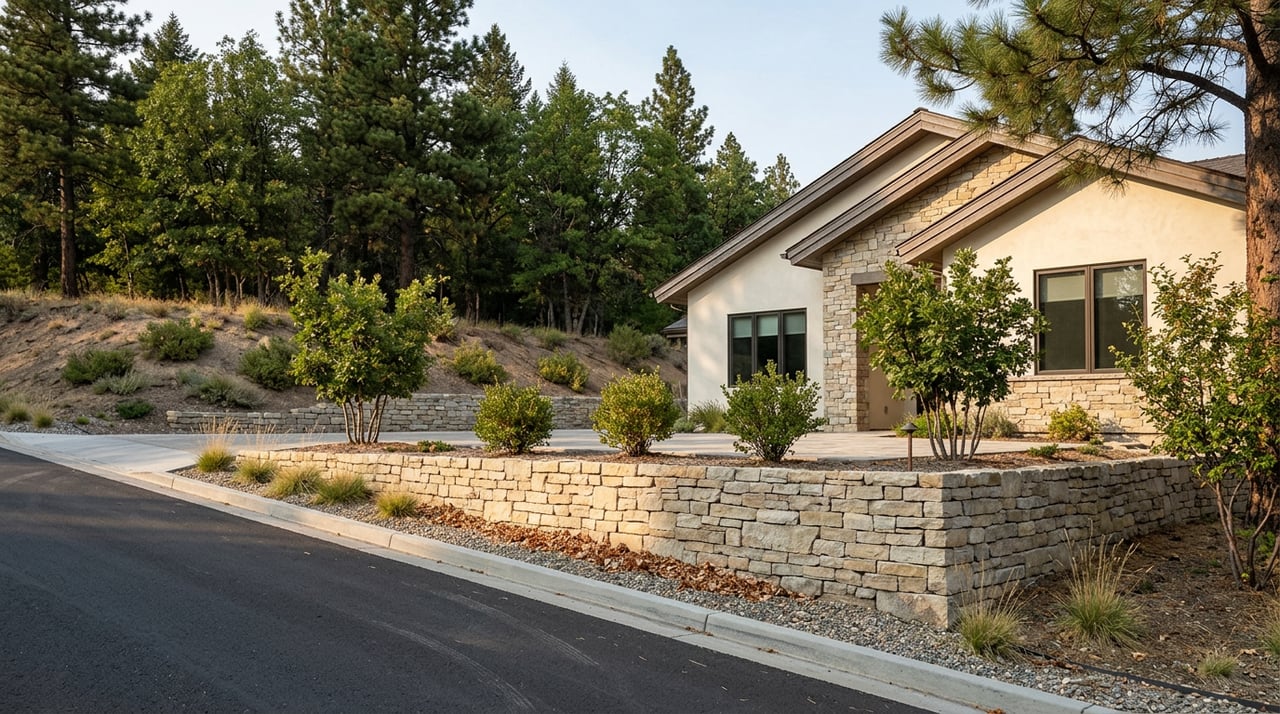
Cottonwood Heights also has physical conditions that affect ownership. The city notes local design factors such as elevations between 4,500 and 5,100 feet and substantial snow loads, which can make roof design, driveway grades, drainage, and winter maintenance more important than in flatter suburban markets.
When you tour homes, it helps to look beyond finishes and square footage. Pay close attention to how the driveway works in snow, whether garage access feels practical in winter, and how the property appears to handle drainage and snow storage.
Short-Term Rentals Are More Limited Than Many Buyers Think
If part of your plan is renting the home on a short-term basis during ski season, be careful not to assume that any well-located property can work. Cottonwood Heights says approved short-term rentals are primarily limited to multi-family residential areas within private condominium or HOA settings, and the approval process requires a conditional use permit, a business license, and city review through its short-term rental program.
The city also requires specific application materials, including a parking plan, floor plan, site photos, and a 24/7 complaint hotline. The current application fee is $350, the business license fee is $170, and the application must be submitted at least one month before the hearing.
HOA Rules Can Be Just as Important
Even if a property seems to fit the city framework, association rules can still shape what is possible. In many cases, HOA restrictions and the exact property type are just as important as the address itself.
That is why buyers should treat rental plans as a due diligence issue, not a bonus assumption. If short-term rental income is part of your buying strategy, you will want to verify both city requirements and HOA rules before you make an offer.
ADUs Are Not a Vacation Rental Workaround
Some buyers look at homes with basement suites or internal accessory spaces and assume they can create rental flexibility that way. Cottonwood Heights does allow internal ADUs on single-family lots larger than 6,000 square feet, according to the city’s ADU guide.
But there are important limits. The city states that ADUs cannot be used as short-term rentals, and the owner must occupy either the primary home or the accessory unit.
For you, that means an ADU may support a long-term income plan or multigenerational living arrangement, but it is not a simple path to vacation-rental use. If your goal is seasonal guest turnover tied to ski traffic, this is not the workaround many buyers hope it will be.
What Homes Cost in Cottonwood Heights
Cottonwood Heights covers a range of housing types and price points, so it helps to think in terms of market snapshots rather than fixed tiers. As of February 2026, Redfin reported a median sale price of $771,000, while Zillow placed the average home value at $766,091. Those figures give you a useful sense of the city’s overall pricing level.
Attached housing often sits at the lower end of the market. Redfin’s Cottonwood Heights condo data shows a median listing price of $290,000, with current examples around $325,000 to $375,000, while townhomes show a median listing price of $600,000.
Detached homes vary much more by location, lot, and finish level. Current Redfin neighborhood medians in and around the city range from about $299,000 in Little Cottonwood Heights to $727,000 in Brighton, $737,500 in North Cottonwood Heights, $1.15 million in Wasatch, $1.55 million in Little Cottonwood, and $1.76 million in Willow Creek, based on Cottonwood Heights market snapshots.
What That Means for Ski-Focused Buyers
If you are shopping for ski access first, attached homes and some townhomes may offer the most accessible entry point. If you want more privacy, larger garages, more storage, or a detached home with foothill appeal, your budget may need to stretch significantly depending on the pocket of the market.
Because inventory can shift quickly, the right way to view pricing here is by matching your goals to the current mix of homes on the market. A condo, townhome, and detached foothill property may all offer canyon access, but they deliver very different ownership experiences.
Winter Driving Is Part of Ownership
One of the most important truths about buying a ski-area home in Cottonwood Heights is that winter access is part of the ownership experience. UDOT says traction requirements can be activated before storms, and when canyon beacons flash, vehicles traveling in Big or Little Cottonwood Canyon must meet minimum traction standards, including at least 5/32-inch tread depth and tire requirements tied to drivetrain under the Cottonwoods traction law.
UDOT also notes there are no gas stations in either canyon. That means winter prep is not just a driving issue. It affects how you plan your day, how you equip your vehicle, and how useful your home’s garage and storage setup will feel.
Road Closures and Busy-Day Restrictions
Access can change quickly during the ski season. UDOT says the canyons may close fully during avalanche mitigation or other emergency work, and uphill restrictions can be triggered when resort and roadside parking are full, according to its road closure and uphill restriction updates.
The agency also advises planning around off-peak travel. Peak canyon traffic is often around 8 to 10 a.m. and 3 to 5 p.m., with restrictions often beginning around 11 a.m. to 1 p.m. on busy days.
Summer Routes Are Not Winter Backups
Some buyers see alternative mountain routes on a map and assume they can count on them year-round. That is not always the case here.
UDOT says Guardsman Pass is generally open only during the summer months, roughly June through November, and closes for winter. So if you are thinking about access and mobility from a long-term ownership standpoint, it is best not to treat that route as a dependable winter option.
What to Evaluate Before You Make an Offer
A ski-area purchase in Cottonwood Heights works best when you evaluate it as both a home and a mountain-access base. A beautiful property can still be the wrong fit if the parking is tight, the driveway is difficult in snow, or your intended use does not line up with city rules.
As you narrow your options, focus on practical questions like these:
- How quickly and reliably can you reach the canyon routes you plan to use most?
- What does the zoning allow today?
- If the home is in an HOA, what rental or occupancy rules apply?
- Is the driveway manageable during storms?
- Do the garage, mudroom, or storage areas support skis, boots, traction gear, and winter maintenance needs?
- If income is part of the plan, are you considering long-term rental potential rather than assuming short-term rental use?
A Smart Way to Buy in Cottonwood Heights
The best ski-area home in Cottonwood Heights is not always the one closest to the canyon mouth or the one with the most dramatic listing photos. Often, the smartest purchase is the one that balances access, zoning, winter function, and your real long-term goals.
If you want help sorting through the tradeoffs, local guidance can make the process much clearer. Sue Ann Wilkinson offers a thoughtful, high-touch approach for buyers who want to make a confident move in the Salt Lake Valley, whether you are relocating, buying for lifestyle, or looking for the right foothill property near the mountains.
FAQs
Is Cottonwood Heights a ski-in, ski-out market?
- No. Cottonwood Heights is better understood as a base-area market that offers city living with access to Big and Little Cottonwood Canyon rather than true slopeside ownership.
Can you use a Cottonwood Heights home as a short-term ski rental?
- Sometimes, but the legal path is limited. The city says approved short-term rentals are primarily limited to multi-family residential areas within private condo or HOA settings and require permits, licensing, and review.
Can an ADU in Cottonwood Heights be used for short-term rental income?
- No. The city’s ADU rules say ADUs may not be used as short-term rentals, and the owner must occupy either the main home or the accessory unit.
What is the typical home price in Cottonwood Heights?
- As of February 2026, Redfin reported a median sale price of $771,000, and Zillow reported an average home value of $766,091. Attached and detached housing can vary widely from there.
What should buyers check when purchasing a ski-area home in Cottonwood Heights?
- Buyers should verify zoning, review HOA rules if applicable, evaluate winter access and driveway function, and make sure the home supports practical snow-season living and storage needs.