If mountain views are high on your list, Sandy’s east bench is one of the first places you’ll want to explore. This part of the city offers a different feel than the valley floor, with foothill streets, quicker access to trails, and homes that often command a premium for sightlines and privacy. If you’re weighing the lifestyle and the price tag, this guide will help you understand what stands out, what to expect, and how to think about value. Let’s dive in.
Why East Bench Feels Different
Sandy’s east bench sits at the base of the Wasatch Mountains, with Little Cottonwood Canyon and Bell Canyon shaping much of the area’s backdrop. According to Sandy’s general plan, this is not simply a scenic edge of town. It is a hillside area with more physical constraints and more design review than many parts of valley-floor Sandy.
That matters when you are comparing homes. On the east bench, the setting often plays a bigger role in both daily life and property value. Slope, drainage, vegetation, land stability, and foothill conditions can all affect how a lot is developed and maintained.
Some of Sandy’s Sensitive Area Overlay land is located on the east bench, including slopes above 30%. The city notes that foothill development must account for hazards, drainage, vegetation, land stability, and wildland-urban interface concerns. For buyers, that means the natural beauty comes with a more site-specific living experience.
East Bench Lifestyle and Outdoor Access
One of the biggest draws of east bench living is how quickly the outdoors becomes part of your routine. Sandy says it operates more than 32 parks across its 28 square miles, and residents also benefit from access to Dimple Dell Regional Nature Park. If you want a neighborhood where trails and open space are part of everyday life, this area stands out.
Salt Lake County describes Dimple Dell as a 630-acre natural area with more than 15 miles of trails. Access points include Wrangler, Dimple Dell Road, and Mount Jordan. That kind of trail network gives you options for walking, hiking, and enjoying the foothill landscape close to home.
Bell Canyon is another key part of the east bench lifestyle. Sandy’s Bell Canyon Preservation Trailhead at Wasatch Boulevard and Little Cottonwood Road includes amenities described in a city geotechnical study such as public parking, trail connections, restrooms, picnic areas, and outdoor classrooms. For many buyers, that level of access helps turn the location into a daily-use lifestyle feature, not just a weekend perk.
Current listing language also reflects how important this is to the market. One east-bench home is described as being about 75 yards from trails and about 3 minutes from Little Cottonwood Canyon. While every property is different, that tells you buyers and sellers alike see trail proximity and canyon access as meaningful value drivers.
Views, Trees, and the Setting
East bench appeal is not only about being near the mountains. It is also about how the landscape shapes what you see and feel at home. In Sandy’s general plan, the city reports an average tree canopy of 22.3%, with the highest tree-canopy percentage closer to Bells and Little Cottonwood Canyons.
For you as a buyer, that can translate into a greener setting and a stronger sense of separation from busier parts of the valley. More mature tree coverage, foothill terrain, and mountain backdrops can make homes feel tucked into the landscape in a way that is hard to replicate elsewhere. That setting is part of why the east bench often attracts buyers looking for a more outdoor-oriented routine.
What Homes Cost on Sandy’s East Bench
East bench pricing covers a wide range. Public examples show lower-priced listings around $586,200 and $636,000, a higher midsize example at about $970,300, and upper-end properties that reach roughly $1.57 million and $3.99 million. In short, this is not a one-price neighborhood segment.
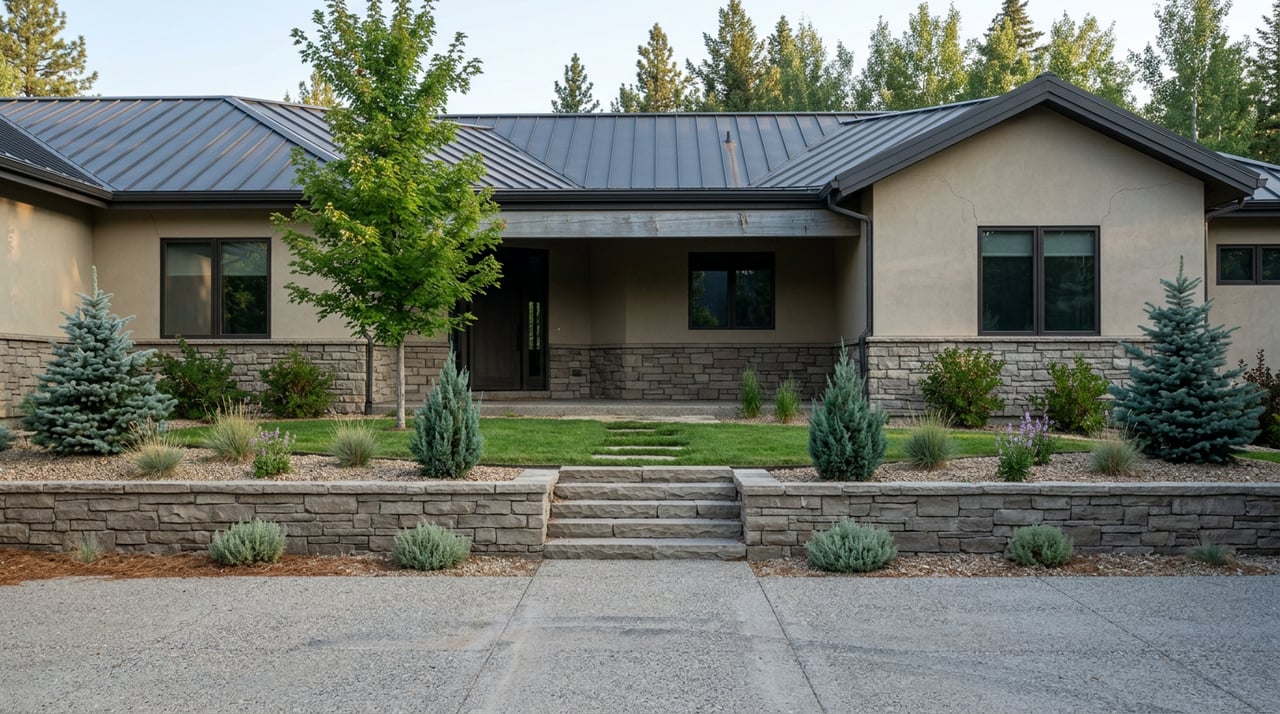
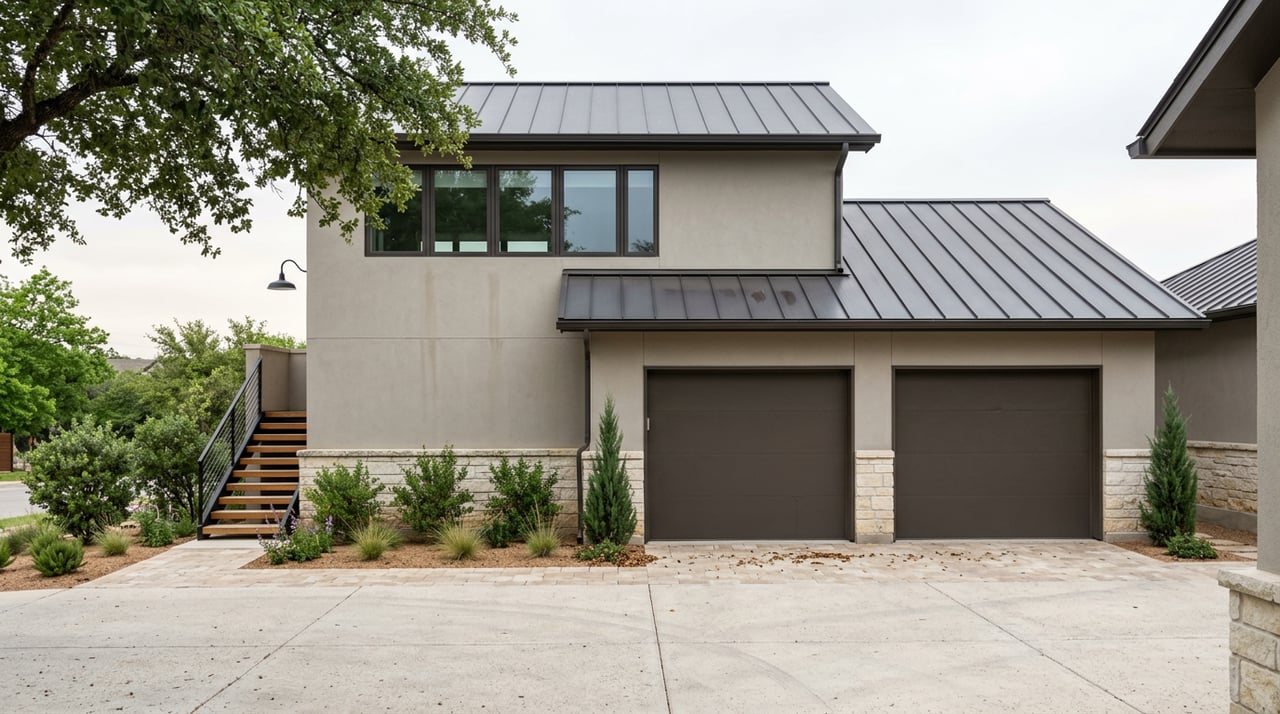
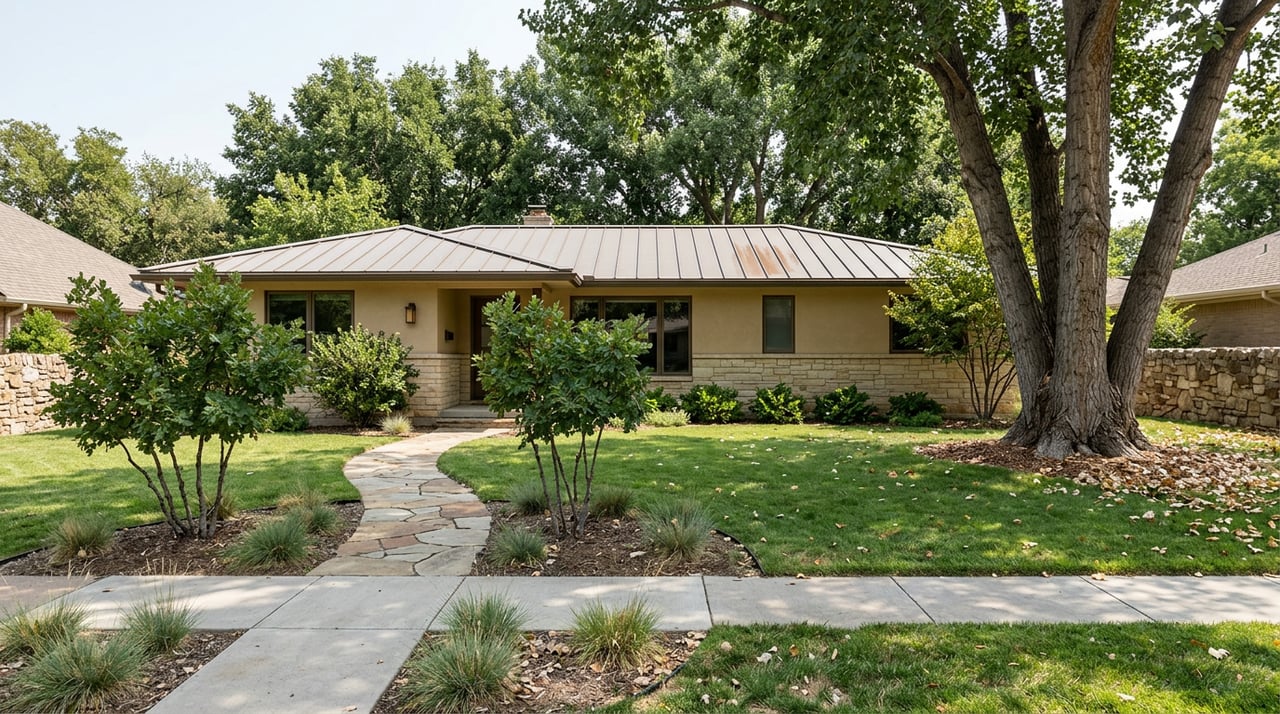
The housing mix includes older rambler-style homes, remodeled midsize properties, and luxury view homes on larger custom sites. Lot sizes in the examples range from roughly 0.2 acres to significantly larger homesites. That variety means two homes in the same general area can differ sharply in both feel and price.
Sandy-wide pricing provides a helpful baseline. In spring 2026, Redfin reported a median sale price of $634,000, Zillow reported an average home value of $665,522, and Realtor.com reported a median listing price of $699,950. Against that backdrop, east bench homes with stronger views, more privacy, larger lots, or closer foothill access often sit above the city’s general middle range.
That does not mean every east bench home is luxury-priced. It does mean you are often paying for a combination of location traits that are harder to reproduce elsewhere in Sandy. Better sightlines, more privacy, and a stronger connection to trails or canyon access can push pricing higher.
Why Some East Bench Homes Command More
The east bench premium is easier to understand when you break down what buyers are really comparing. In many cases, the value difference is not just square footage. It is the setting around the home and how that setting affects your daily experience.
Features that often support higher pricing include:
- Mountain and valley views
- Larger or more private lots
- Proximity to foothill trails and canyon access
- Custom-home placement that takes advantage of topography
- A more tucked-away feel than many valley-floor streets
The listing examples in the research suggest these factors matter in the current market. That is not a formal submarket index, but it is a practical pattern worth noticing if you are deciding whether the east bench premium feels justified for your goals.
Trade-Offs to Think Through Before You Buy
The same geography that creates the views also creates complexity. Sandy’s plan says parcels in the Sensitive Area Overlay may require additional review, and the city’s foothill policies focus on minimizing disturbance and visibility while managing hillside and wildfire-interface concerns. That makes east bench buying different from buying on flatter ground.
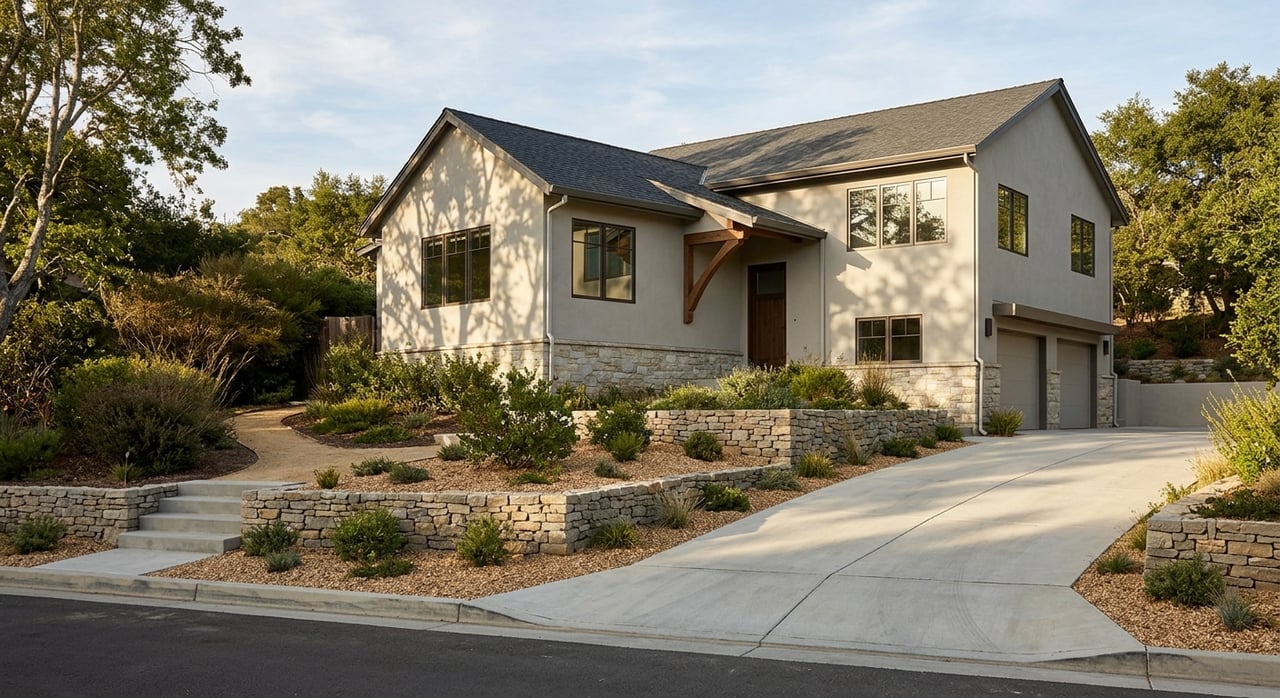
For you, the practical trade-offs can include steeper driveways, more attention to snow and ice, and greater focus on drainage. Landscape maintenance can also feel different on sloped lots or foothill sites. Even if a home is beautifully updated, the lot itself may still come with responsibilities unique to hillside living.
This does not make east bench ownership a downside. It simply means the lifestyle works best when you appreciate both the beauty and the realities of the setting. If your priority is a scenic, outdoor-oriented environment, these trade-offs may feel well worth it.
Who East Bench Living Fits Best
East bench living tends to appeal to buyers who care deeply about setting. If you want mountain views, regular trail access, and a home that feels more connected to the foothills, this part of Sandy may be a strong match. It can also make sense for relocation buyers who want a quicker read on why one side of Sandy feels so different from another.
It may be especially appealing if you are comparing lifestyle, not just price per square foot. A home near Bell Canyon or with stronger sightlines may offer a daily experience that changes how you use your time at home. That is often where the east bench earns its premium.
For sellers, the takeaway is just as important. If your home offers views, trail access, privacy, or a foothill setting, those are not minor details. They are part of the value story buyers are often willing to pay for when they are looking in this part of Sandy.
How to Evaluate Value on the East Bench
If you are shopping here, it helps to compare homes through a local lens. A valley-floor comp may not tell the full story if the east bench property has stronger views, a larger lot, or much better foothill access. The reverse is also true. A home with an east bench address may still need careful review if the lot conditions are more demanding.
A smart comparison usually looks at more than bedroom count and square footage. You want to weigh the lot, the siting, the topography, the privacy, and the connection to the outdoor amenities that define this area. In a foothill market, those details often shape both pricing and long-term appeal.
Whether you are buying, selling, relocating, or planning a move later in life, local guidance matters most in nuanced areas like this. East bench real estate is not just about finding a house. It is about understanding how the setting affects value, lifestyle, and expectations.
If you want a clear, personalized read on Sandy’s east bench, Sue Ann Wilkinson can help you evaluate the market with a thoughtful, local perspective.
FAQs
What makes Sandy’s east bench different from other parts of Sandy?
- Sandy’s east bench is a foothill area at the base of the Wasatch Mountains, and the city identifies it as a hillside submarket with more physical constraints and design review than valley-floor Sandy.
What trail access does Sandy’s east bench offer?
- East bench residents have access to foothill amenities including Dimple Dell Regional Nature Park, which Salt Lake County says has more than 15 miles of trails, along with the Bell Canyon Preservation Trailhead.
Are home prices on Sandy’s east bench higher than Sandy overall?
- Public listing examples and citywide pricing suggest many east bench homes, especially those with views, privacy, larger lots, or foothill access, are priced above Sandy’s general median range.
What types of homes are found on Sandy’s east bench?
- The area includes older rambler-style homes, remodeled midsize properties, and luxury custom or view-oriented homes, with lot sizes ranging from about 0.2 acres to much larger sites.
What should buyers know about owning a home on Sandy’s east bench?
- Buyers should expect hillside factors such as steeper driveways, more attention to drainage, snow and ice considerations, landscape maintenance, and possible site-specific review tied to foothill conditions.