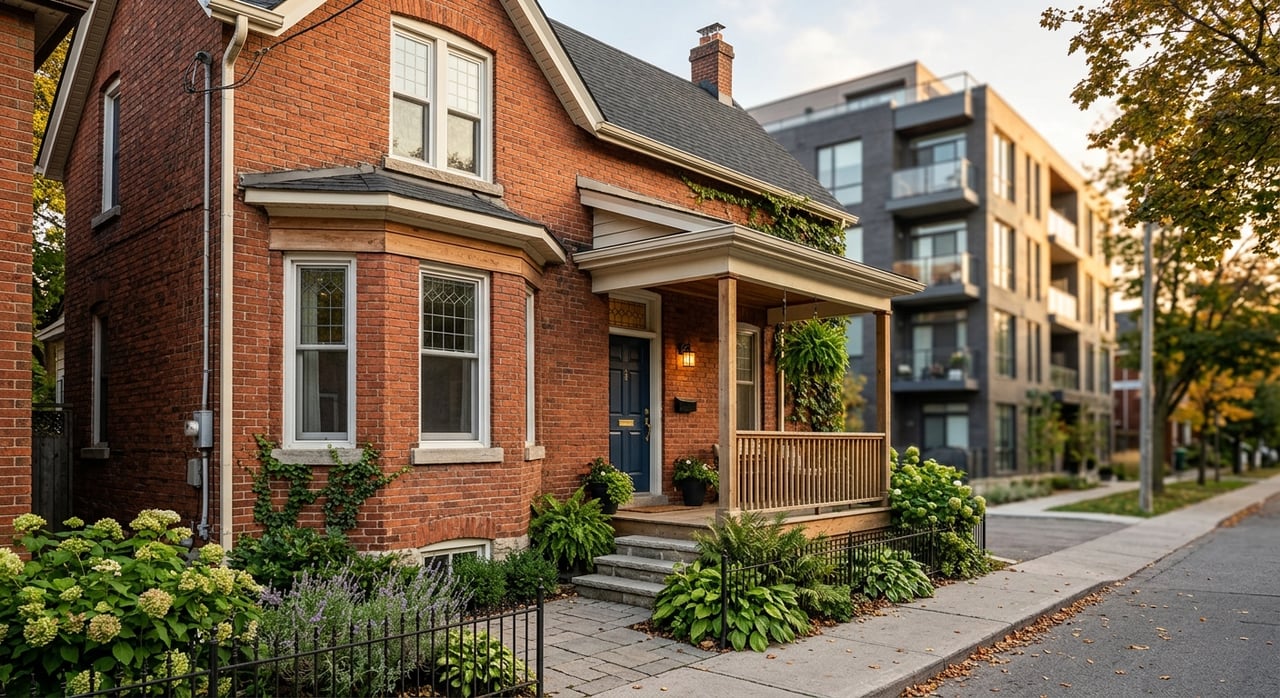
Trying to choose between a downtown Salt Lake City condo and a historic home in one of the city’s older neighborhoods? It is a common decision, and the right answer depends on how you want to live day to day. If you are weighing convenience, character, upkeep, parking, and renovation freedom, this guide will help you compare the tradeoffs with confidence. Let’s dive in.
Downtown condos vs historic homes
In Salt Lake City, this choice is often about lifestyle as much as property type. Downtown offers the city’s most urban setting, with direct access to TRAX and FrontRunner and a strong focus on walkability, biking, and future connectivity improvements.
Historic homes in nearby areas like The Avenues, Capitol Hill, Central City, and Marmalade offer a very different experience. These are some of Salt Lake City’s oldest residential areas, with many late-19th- and early-20th-century homes, older street patterns, and a stronger sense of architectural character.
Why condos appeal downtown
A downtown condo can be a strong fit if you want a more streamlined ownership experience. Under Utah law, you own your unit along with an undivided interest in the shared common areas and facilities.
That shared ownership structure changes what you are personally responsible for. In general, the condo association handles maintenance, repair, and replacement of common areas and facilities, while you are responsible for your unit itself.
What condo dues usually cover
Condo assessments can cover a range of shared expenses, including:
- Administration
- Shared-space maintenance
- Repairs
- Replacement of building parts
- Reserve funding for future projects
- Special assessments in some cases
This setup can be appealing if you prefer a lower-maintenance routine. It may also give you access to shared amenities such as lobbies, roofs, pools, or pickleball courts, depending on the building.
What to review before buying a condo
Before you buy, look closely at the association’s financial picture. Utah’s guidance points buyers toward a few key items that can tell you a lot about how the building is run.
Focus on:
- The association budget
- The reserve fund
- The reserve analysis
- Any history of special assessments
A condo with weak reserves can create surprise costs later. A building with well-planned reserves may offer more predictability over time.
Why historic homes stand out
Historic homes often attract buyers who want character, space, and more direct control over the property. In practical terms, when you buy a detached historic home, you are usually buying the house and lot rather than a share of common elements.
That usually means you have more say over your outdoor space and how the property functions day to day. It also means you take on more direct responsibility for maintenance, repairs, and major projects.
Where buyers usually look
The historic-home side of this comparison often includes neighborhoods such as:
- The Avenues
- Capitol Hill
- Central City
- Marmalade
The city describes these areas as some of Salt Lake City’s oldest residential neighborhoods. They include older homes, tightly subdivided blocks in some areas, and in certain locations, steep or narrow streets.
What older-home ownership really means
Owning a historic home can be deeply rewarding, but it is rarely a hands-off experience. Older properties may come with more upkeep needs simply because of age, materials, and long-term wear.
If you enjoy the idea of caring for a home with architectural history, that may feel like a fair trade. If you want convenience and fewer moving parts, a condo may feel easier to manage.
Renovation rules can be a major factor
For many buyers, the biggest difference is not just maintenance. It is how much freedom you have to change the property.
In Salt Lake City, local historic-preservation rules can apply to homes in local historic districts or locally designated landmark sites. For those properties, exterior changes generally require planning approval before work begins and before a building permit is issued.
What needs approval in a historic district
According to the city, all exterior work except paint color and minor maintenance requires approval in local historic districts. Some smaller projects may be reviewed administratively by staff, while demolitions, major alterations, and new construction are reviewed by the Historic Landmark Commission.
Interior work is different. The city says interior work does not require a Certificate of Appropriateness.
Why designation status matters
Not every older home has the same rules. A key detail is whether the property is in a local historic district or is a locally designated landmark site.
That distinction matters because local designation carries the stronger regulatory effect for exterior changes. If you are seriously considering a historic home, verifying designation status early can save time and prevent surprises.
Parking and access deserve a closer look
Parking is one of the most practical parts of this decision, especially in and around downtown. Salt Lake City currently charges $3.50 per hour at pay stations, and many metered spaces are limited to two hours during the day and four hours in the evening.
The city enforces paid parking Monday through Saturday until 10 p.m. In some areas, residential permit parking is used, and permits currently cost $51 per year where available.
Why parking can feel different by property type
Many condo buyers will want to confirm exactly what parking comes with the unit. That may include assigned spaces, garage access, guest parking rules, or no dedicated parking at all.
Historic-home buyers should also verify parking conditions carefully, especially in neighborhoods with older street layouts. In places like Capitol Hill and Marmalade, steep or narrow streets and older patterns can affect convenience, access, and permit parking options.
What to verify before you buy
Whether you are leaning condo or historic home, confirm:
- Parking rights tied to the property
- Guest parking availability
- Residential permit eligibility
- Whether the street is officially signed for permit parking
- Any building or neighborhood restrictions that affect vehicle access
These details can have a real impact on your daily routine. They are worth checking before you fall in love with the property.
Outdoor space and daily lifestyle
If your ideal home includes a private yard, garden space, or more control over the exterior environment, a historic detached home may have the edge. You are typically managing your own outdoor areas rather than sharing them with other owners.
A condo offers a different type of convenience. Instead of maintaining a yard or handling exterior projects yourself, you may have access to shared amenities funded through assessments.
Which lifestyle tends to fit best
In broad terms, downtown condos often fit buyers who prioritize:
- Low-maintenance living
- Transit-oriented access
- Walkability
- Shared amenities
- A more urban routine
Historic homes often fit buyers who prioritize:
- Architectural character
- More direct property control
- Private outdoor space
- A neighborhood with older housing stock
- Comfort with ongoing upkeep and possible preservation review
Neither option is better across the board. The better choice is the one that matches how you want to spend your time, money, and energy.
A simple way to compare the two
If you are torn, it helps to compare each option through a practical lens instead of an emotional one. Ask yourself what kind of ownership experience you actually want over the next few years.
Here is a simple side-by-side view:
| Factor | Downtown Condo | Historic Home |
|---|---|---|
| Ownership structure | Unit plus shared common interest | House and lot in most cases |
| Maintenance | More shared through association | More direct owner responsibility |
| Monthly costs | Assessments plus possible special assessments | Direct upkeep and capital projects |
| Renovation freedom | Building rules may apply | Exterior changes may need approval in local historic districts |
| Outdoor space | Usually shared or limited private space | Usually more direct control |
| Parking | Verify deeded or assigned parking | Verify street access and permit rules |
| Lifestyle | Urban, transit-friendly, lower-maintenance | Character-focused, hands-on, more control |
How to make the right choice for you
If you want a lock-and-leave lifestyle in the heart of the city, a downtown condo may make the most sense. If you are drawn to architecture, older neighborhoods, and the idea of owning the house and land directly, a historic home may feel more rewarding.
The key is to compare more than looks. Review the condo budget and reserves, confirm parking details, check whether a historic home has local designation, and think honestly about how much maintenance you want to handle yourself.
A thoughtful comparison now can save you stress later. And when you have clear guidance through the process, it becomes much easier to choose a property that truly fits your life.
If you are weighing Salt Lake City condos against historic homes and want a steady, informed perspective, Sue Ann Wilkinson can help you compare your options and move forward with confidence.
FAQs
What do condo dues cover in downtown Salt Lake City?
- Condo assessments may cover administration, maintenance of shared spaces, repairs, replacement of building parts, reserve funding, and sometimes special assessments.
How do I know if a Salt Lake City condo association is financially healthy?
- Review the association budget, reserve fund, reserve analysis, and any history of special assessments before you buy.
Can I remodel a historic home in Salt Lake City?
- Interior work does not require a Certificate of Appropriateness, but exterior changes in a local historic district usually require approval before work begins.
Which Salt Lake City neighborhoods are commonly compared with downtown condos?
- Buyers often compare downtown condos with older homes in The Avenues, Capitol Hill, Central City, and Marmalade.
Is downtown Salt Lake City walkable and transit-friendly?
- Yes. The city describes downtown as its most urban area, with direct access to TRAX and FrontRunner and an ongoing focus on walking, biking, and connectivity.
What parking questions should I ask before buying in Salt Lake City?
- Ask about assigned or deeded parking, guest parking, permit eligibility, street signage for residential permits, and any time limits or restrictions that could affect daily use.